
Warlord: Awaji · Additional · Guide
Warlord: Awaji Map - Island Regions, Shrines and How to Trade
Warlord: Awaji map facts: the real heightmap island, its named regions, the temples and shrines, the shrine capture system and the published state of trade.
By the Gamebase team · Updated 2026-10-06
On this page (10)
Warlord: Awaji map facts start with one remarkable claim: the island was created using real heightmap data of Awaji, and dozens of the temples and shrines on it come from real locations. That makes the map a documented subject rather than an artistic one.
What the store text says about the island
The listing describes a sprawling open world with real-world place data underneath it, populated by temples, shrines, villages and forts. It is the only map description available, so this page stays inside it.
| Map fact | What is published |
|---|---|
| Terrain source | real heightmap data of Awaji |
| Temples and shrines | dozens, drawn from real locations |
| Settlements | villages and forts as capture targets |
| Travellers | civilian convoys and roaming warrior bands |
| Shrine system | capture raises your spiritual aura and harms the rival's |
| Area in square kilometres | not published |
The last row matters because map size is the obvious question and the page never quantifies it.
The named regions in official data
Achievement names are the only place where individual regions are named in machine-readable official data, and eight of the ten published names are places.
- Hokudan, Ichinomiya, Iwato and Aihara are the first four published place names.
- Goshiki, Sumoto, Mihara and Nandan complete the published set.
- Gaining a Foothold sits before them as an opening milestone.
- Conqueror of Awaji sits after them as the final milestone.
- The store text refers to these as part of a single island spanning dozens of religious sites.
- No complete region list is published beyond those eight.
Shrines, aura and territory
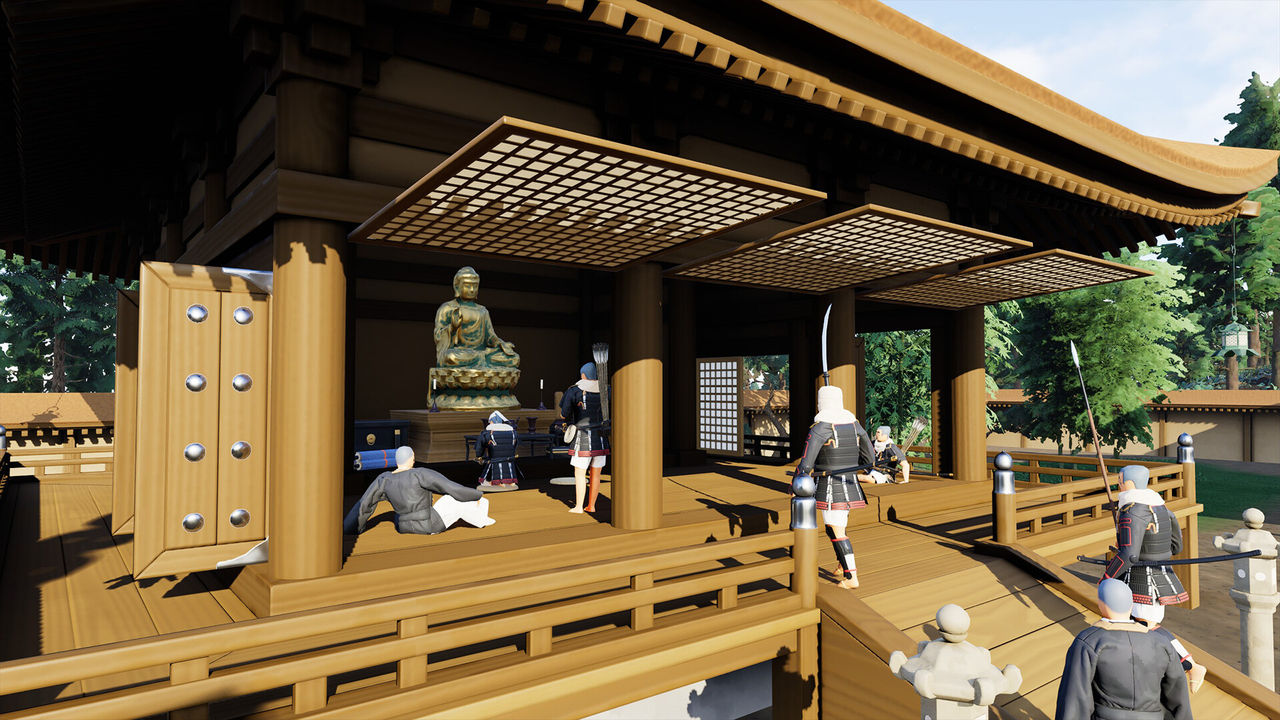
The shrine system is the one map mechanic the listing explains in mechanical terms. Capturing a rival clan's shrines raises your spiritual aura and lowers theirs, and warrior monks can be worked with to curse enemies and coordinate coalition attacks.
Strongpoints are the other map lever: the store text says targeting them weakens enemy quick-reaction forces. Together those two systems make the map a network of leverage points rather than a set of backdrops.
Reading the roads
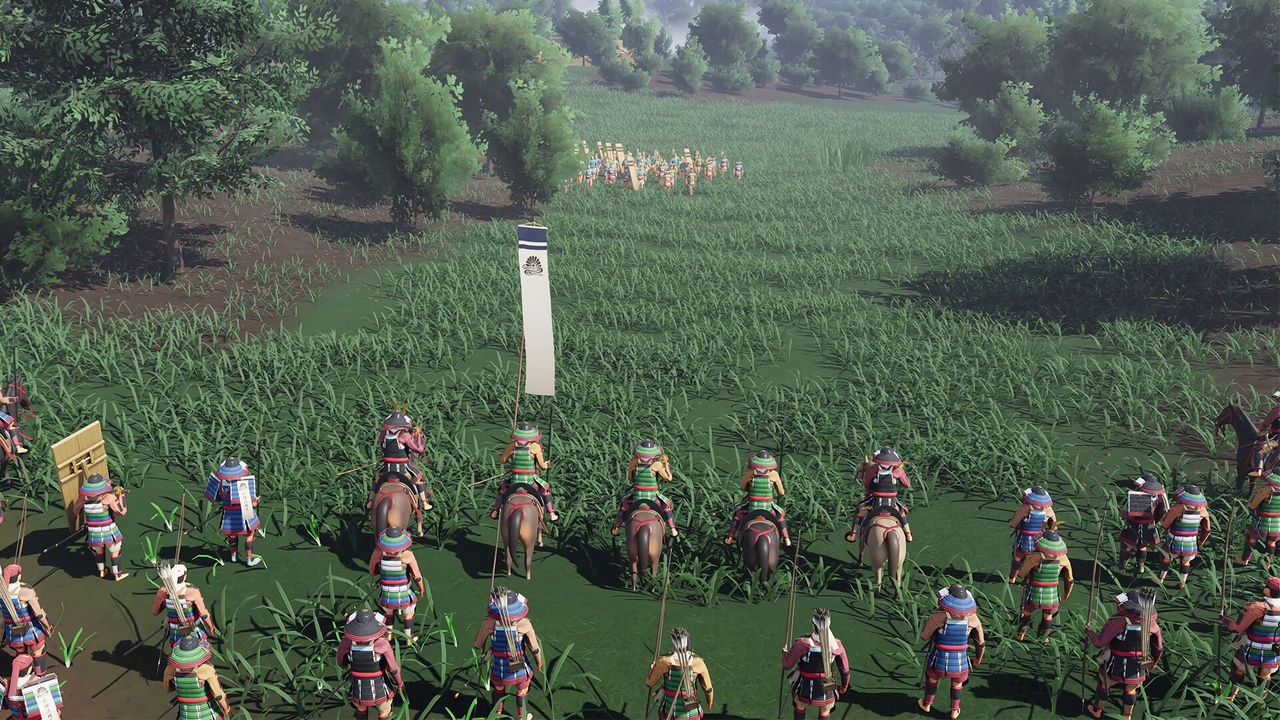
The page offers one piece of practical map advice in its own words: travel the roads cautiously and keep your eyes on the treelines, because convoys and warrior bands move in real time.
That is a live-world design rather than a scripted one, and it is consistent with the clans reacting to your exploits rather than waiting for a trigger.
Where trade sits on the island
There is no published trade system attached to the map. Nothing in the store text describes markets, ports or exchanges, so how to trade cannot be answered from the map either.
The closest documented loop stays the same: take ground, promote leaders with it, and hold the shrine advantage. The army side of that is on How It Plays, the achievements that follow the regions are on Full Clear, and the store figures are on Cheat Sheet.
FAQ
Is the Warlord: Awaji map based on a real place?
Yes. The store text says the island was created using real heightmap data of Awaji.
How big is the map?
No area figure is published. The listing describes a sprawling open world with dozens of temples and shrines.
What are the named regions?
Eight place names appear in the published achievement subset: Hokudan, Ichinomiya, Iwato, Aihara, Goshiki, Sumoto, Mihara and Nandan.
What are shrines for?
Capturing rival clans' shrines boosts your spiritual aura and harms theirs, according to the store text.
Does the map have fast travel?
Nothing about fast travel is published on the store page.
References
- Steam store page — Warlord: Awaji
- Steam appdetails API (cc=us, l=en) — Warlord: Awaji
- Developer site (Darkmatter Games)
- Steam news hub — app 3123060
Facts on this page are compiled from the references above. Items marked "to confirm" are single-source and not yet verified.