
Professional Ship Simulator · How It Plays · Guide
Professional Ship Simulator Ship List - The Twelve Documented Classes
Professional Ship Simulator ship list: the twelve classes the developer documents, from pilot boat and harbour tug to LNG tanker, and the role attached to each.
By the Gamebase team · Updated 2026-10-25
On this page (10)
- The twelve classes and the role attached to each
- How the class gates missions and features
- Which vessels the Steam listing names
- The one class that is not in the water
- Reaching every class without a career
- How many ship classes does Professional Ship Simulator have?
- Can you drive a sailboat in Professional Ship Simulator?
- Which classes carry cargo?
- Do you need a career save to try every class?
- Does the ship list change between the store page and the wiki?
Professional Ship Simulator documents twelve ship classes in the developer's Knowledge Base, and the page attaches a job to almost every one of them. The list reads as a mission map: the class decides which missions a hull can take and which loading features it can use.
The twelve classes and the role attached to each
The class page opens by saying the classes assign ships to specific missions and unlock class specific features such as cargo loading, material transport and fire fighting. Below that, each class gets a one-line role.
| Class | Documented role |
|---|---|
| Pilot boat | Small and agile vessels used to deliver a ship pilot to a large vessel and support its navigation into a harbor |
| Fishing vessel | The documented hull for all available fishing missions |
| Harbor tug | Supports large vessels leaving or entering a harbor, transports material and repairs seamarks |
| Offshore vessel | Multipurpose hull with large transport capacity, fire fight equipment and repair equipment |
| Rescue vessel | Small to medium ships built for all kinds of rescue operations |
| Container ship | Loads and delivers standard containers between ports |
| Bulk carrier | Loads and delivers bulk materials across the scenery |
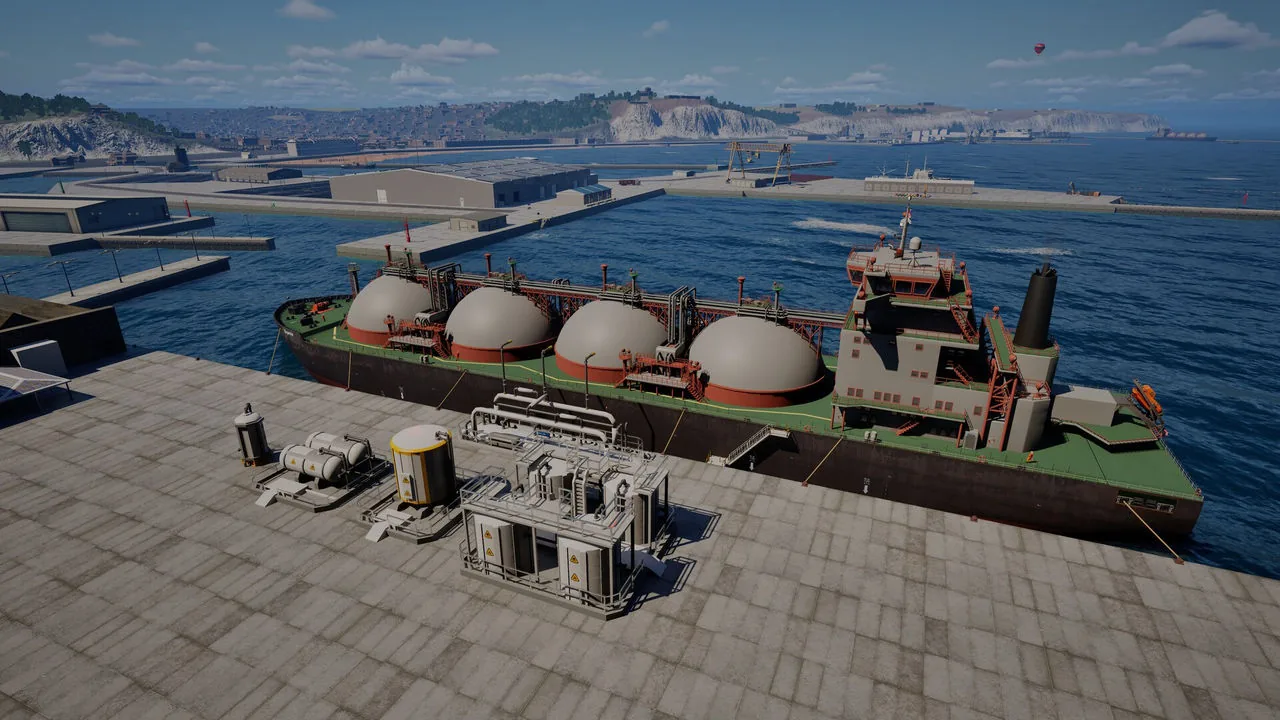
| LNG tanker | Carries Liquified natural gas |
| Car ferry | Small, medium or large hulls that move vehicles and people across the scenery |
| Cruise ship | Medium to large vessels that carry guests around the map |
| Motor vessel | Small to medium hull that fits no other class and can run a variety of missions |
| Sailboat | Listed as not currently available |
How the class gates missions and features
The class is not cosmetic. In the developer's wording the classes exist so that ships are assigned to specific missions and so that class specific features open up, and the role lines show what that means in practice: fishing missions sit behind the fishing vessel, material transport and seamark repair behind the harbor tug, fire fighting and repair work behind the offshore vessel, and rescue operations behind the rescue vessel.
That makes the class page the closest thing to a mission index the game publishes, because the roles are written in the vocabulary of the mission types rather than in horsepower or length.
Which vessels the Steam listing names
The store listing names nine vessel types without roles: tugboat, fishing trawler, rescue vessel, offshore ship, yacht, container ship, bulk carrier, LNG tanker and cruise ship. The class list is broader, adding the pilot boat, the car ferry and the motor vessel, and the Early Access announcement describes the same spread in one line - cargo ships, cruise liners, tugboats, fishing vessels, rescue ships and offshore vessels.
The one class that is not in the water
Sailboat is the single entry on the class page without a role, because the page says no sailboats are currently available and adds that this might change in the future. Every other class carries a stated job, so the fleet on offer is the ferry, tug, cargo, fishing, pilot, rescue and offshore side of maritime work.
Reaching every class without a career
Open World mode opens the whole list: the developer states that every ship class, from small patrol boats to massive merchant vessels, is available there, with the option to switch vessels. Career mode starts from the other end, with a single boat that is grown into a fleet. The mission side of the same classes is covered on How It Plays, the first-session route is on New Player Guide, and the system list behind those classes is on Features.
FAQ
How many ship classes does Professional Ship Simulator have?
Twelve are documented in the developer Knowledge Base: pilot boat, fishing vessel, harbor tug, offshore vessel, rescue vessel, container ship, bulk carrier, LNG tanker, car ferry, cruise ship, motor vessel, and sailboat, which the page marks as not currently available.
Can you drive a sailboat in Professional Ship Simulator?
No. The ship class page states that no sailboats are currently available and adds that this might change in the future.
Which classes carry cargo?
The container ship delivers standard containers between ports, the bulk carrier moves bulk materials, and the LNG tanker carries Liquified natural gas; the harbor tug also transports material for harbor work.
Do you need a career save to try every class?
No. The Open World page says every ship class is available there, while Career mode starts with a single boat.
Does the ship list change between the store page and the wiki?
The store listing names nine vessel types without roles, while the class page documents twelve classes and what each one is used for.
More in How It Plays
More how it plays pages in Professional Ship Simulator.
- Professional Ship Simulator Gameplay - Tutorial Systems and Ship HandlingGuideUpdated 2026-10-07
- Professional Ship Simulator Open World Mode - Ships, WeatherGuideUpdated 2026-10-26
References
- NauticXP Knowledge Base - Available ship classes
- NauticXP developer site - Professional Ship Simulator
- Steam news - Professional Ship Simulator Early Access announcement
Facts on this page are compiled from the references above. Items marked "to confirm" are single-source and not yet verified.